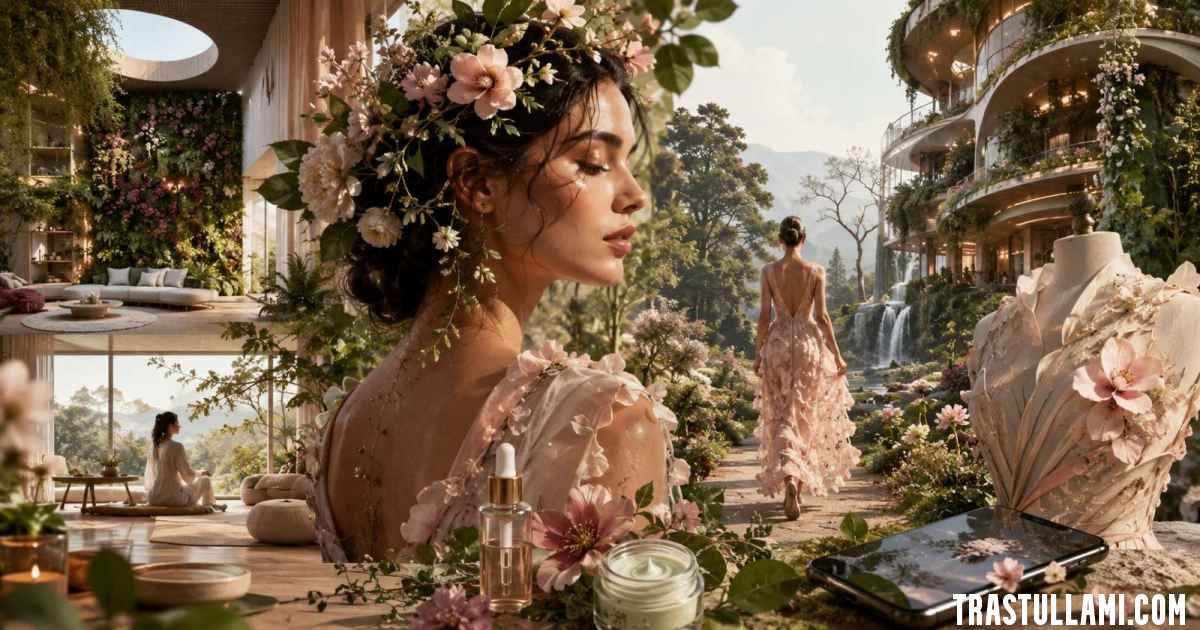
In 2026, one of the most talked-about cultural movements across fashion, architecture, wellness, technology, branding, and interior design is Fleurism. More than a floral aesthetic, Fleurism represents a new philosophy centered on intentional beauty, regenerative living, seasonal growth, and sustainable creativity.
Inspired by the French word fleur (meaning flower), Fleurism encourages individuals and organizations to grow naturally instead of chasing endless consumption and constant productivity. Rather than following outdated ideas of perfection or minimalism, Fleurism celebrates organic design, meaningful experiences, and beauty with purpose.
Whether you’ve noticed #Fleurism trending across social media or seen its influence in modern homes, luxury fashion, productivity systems, and wellness routines, this comprehensive guide explains everything you need to know about Fleurism in 2026.
What Is Fleurism? Understanding the 2026 Definition
At its core, Fleurism is a design philosophy and lifestyle movement that treats beauty as something practical rather than decorative.
Instead of viewing flowers merely as ornaments, Fleurism uses nature’s intelligence as a blueprint for designing products, spaces, businesses, and daily habits.
The movement combines ideas from:
- Biomimicry
- Slow living
- Regenerative design
- Biophilic architecture
- Sustainable innovation
- Post-minimalist aesthetics
Three major principles define Fleurism in 2026:
1. Cultivation Over Consumption
Instead of constantly buying new things, Fleurism promotes growing, improving, repairing, and nurturing what already exists.
Success is measured by long-term value rather than short-term trends.
2. Beauty as Functional Infrastructure
Beauty isn’t considered a luxury.
Research increasingly shows that attractive environments improve:
- Mental wellbeing
- Employee productivity
- Creativity
- Customer loyalty
- Learning performance
In Fleurism, aesthetics actively improve quality of life.
3. Seasonal Intelligence
Nature never blooms every day.
Likewise, Fleurism encourages people and organizations to embrace different seasons of:
- Growth
- Maintenance
- Harvest
- Rest
Rather than forcing constant productivity, Fleurism respects natural rhythms.
The Rise of Fleurism: From Niche Design Trend to Global Movement
Although inspired by centuries of botanical art and nature-centered philosophy, the modern Fleurism movement began taking shape during the early 2020s.
Initially discussed among European designers, the concept focused on creating interiors filled with:
- Living plants
- Natural materials
- Adaptive lighting
- Organic architecture
- Vintage craftsmanship
By 2024, fashion designers introduced petal-inspired silhouettes, biodegradable textiles, and botanical color palettes.
During 2025, several major developments accelerated Fleurism’s popularity:
- Growing awareness of climate-conscious design
- Increasing demand for mental wellness
- AI-powered sustainable manufacturing
- Rejection of overly sterile minimalism
- Rising popularity of slow productivity
By 2026, Fleurism had expanded into a worldwide movement influencing nearly every creative industry.
Rather than replacing technology, Fleurism encourages technology to become more human-centered, sustainable, and emotionally engaging.
Fleurism in Interior Design, Architecture, and Digital Experiences
One of Fleurism’s strongest influences can be seen in modern spaces.
Instead of creating perfectly symmetrical rooms filled with hard surfaces, Fleurist interiors feel alive and constantly evolving.
Interior Design
Popular Fleurist interior features include:
- Living plant walls
- Natural stone
- Reclaimed wood
- Curved furniture
- Soft earth-tone palettes
- Large windows for daylight
- Seasonal floral arrangements
- Indoor gardens
Homes increasingly include grow rooms, meditation corners, and flexible spaces instead of traditional offices.
Architecture
Architects following Fleurism design buildings that cooperate with nature.
Common features include:
- Rainwater collection systems
- Green rooftops
- Pollinator gardens
- Natural ventilation
- Solar-responsive facades
- Biodiverse landscaping
Buildings are designed to age beautifully, developing character over time rather than becoming outdated.
Digital Product Design
Even apps and websites now reflect Fleurist thinking.
Popular UX trends include:
- Soft color gradients
- Nature-inspired animations
- Reduced notification overload
- Adaptive interfaces
- Seasonal themes
- Simpler user experiences
Instead of encouraging endless scrolling, Fleurist digital products focus on calm, intentional interaction.
Fleurism as a Lifestyle: Living with the Four Seasons
Perhaps the most practical part of Fleurism is its productivity philosophy.
Rather than treating every month the same, Fleurism divides life into four natural seasons.
Spring – Growth
Spring represents beginnings.
This is the ideal time for:
- Learning new skills
- Launching projects
- Networking
- Experimentation
- Building habits
Summer – Development
Summer focuses on maintaining momentum.
People concentrate on:
- Collaboration
- Optimization
- Client relationships
- Scaling businesses
- Consistent routines
Autumn – Harvest
Autumn is about enjoying results.
Activities include:
- Publishing work
- Product launches
- Celebrating achievements
- Financial planning
- Reviewing performance
Winter – Reflection
Winter encourages rest and renewal.
Instead of constant hustle, Fleurism recommends:
- Deep thinking
- Journaling
- Decluttering
- Digital detox
- Strategic planning
- Personal recovery
This seasonal approach has become especially popular among creators, entrepreneurs, designers, and remote workers seeking healthier work-life balance.
Fleurism in Fashion, Beauty, and Personal Style
Fashion has become one of Fleurism’s most recognizable expressions.
Unlike traditional floral prints, Fleurist fashion focuses on organic construction and sustainable innovation.
Major characteristics include:
- Petal-inspired silhouettes
- Biodegradable fabrics
- Plant-based dyes
- Mycelium leather
- Algae-based textiles
- Nature-inspired textures
- Climate-responsive colors
Many collections now prioritize durability over fast fashion.
Fleurist Beauty
Beauty routines have also evolved.
Instead of complicated multi-step skincare routines, Fleurism emphasizes:
- Healthy skin barriers
- Seasonal skincare
- Microbiome-friendly products
- Botanical ingredients
- Natural hydration
- Minimal but effective routines
Fragrance brands increasingly use AI-assisted botanical research to create unique scents inspired by flowers, forests, rainfall, and changing seasons.
Why Businesses Are Embracing Fleurism
Fleurism has become more than a lifestyle trend—it has become a business strategy.
Companies recognize that customers increasingly value:
- Sustainability
- Authenticity
- Emotional connection
- Long-lasting quality
- Beautiful experiences
Brands influenced by Fleurism often invest in:
- Refillable packaging
- Circular economies
- Repair programs
- Eco-friendly materials
- Community building
- Nature-inspired branding
Modern workplaces also adopt Fleurist principles through:
- More natural lighting
- Indoor plants
- Flexible seasonal schedules
- Wellness-focused office design
- Quiet collaboration spaces
Many organizations report improvements in employee satisfaction and long-term customer engagement by prioritizing environments that support both productivity and wellbeing.
How to Practice Fleurism in Everyday Life
You don’t need expensive renovations or designer furniture to embrace Fleurism.
Simple daily changes can bring the philosophy into your routine.
1. Add Living Beauty
Introduce plants, flowers, herbs, or natural materials into your home or workspace.
2. Identify Your Current Season
Ask yourself whether you’re currently growing, maintaining, harvesting, or resting.
Then organize your schedule accordingly.
3. Declutter with Purpose
Remove unnecessary commitments, digital distractions, and unused possessions.
Leave room for meaningful growth.
4. Choose Regenerative Products
Whenever possible, buy products that are:
- Refillable
- Repairable
- Recyclable
- Compostable
- Built to last
5. Invest in Long-Term Growth
Develop habits, relationships, and skills that become more valuable over time instead of chasing quick results.
The Future of Fleurism Beyond 2026
Experts believe Fleurism will continue expanding throughout 2027 and beyond.
Several emerging developments are expected to shape the movement’s future:
- AI interfaces that adapt naturally to users instead of demanding constant attention.
- Biophilic cities with more parks, pollinator gardens, and climate-responsive buildings.
- Regenerative manufacturing using biodegradable materials and circular production systems.
- Seasonal financial planning focused on sustainable long-term growth rather than short-term gains.
- Nature-inspired education that encourages creativity, ecological awareness, and emotional wellbeing.
As climate awareness, digital wellness, and sustainable innovation continue evolving, Fleurism is positioned to become one of the defining philosophies of the next decade.
Conclusion
Fleurism in 2026 is far more than a design trend—it is a global philosophy that blends beauty, sustainability, intentional living, and natural growth into every aspect of modern life. From architecture and technology to fashion, wellness, and business, Fleurism encourages people to create systems that flourish over time rather than chase endless consumption.
Its guiding principles—cultivation over consumption, beauty as functional infrastructure, and seasonal intelligence—offer a healthier, more balanced way to design homes, build brands, manage careers, and live with purpose. As individuals and organizations increasingly embrace regenerative thinking, Fleurism continues to inspire environments that are not only visually beautiful but also emotionally meaningful and environmentally responsible.
Ultimately, Fleurism reminds us that the strongest growth doesn’t happen overnight. Like a thriving garden, lasting success comes from planting with intention, nurturing consistently, pruning wisely, and allowing every season to serve its purpose.